


Wixie
Student publishing and creativity platform. Users can search and insert images from Pics4Learning within the application.

Pixie
Software for student publishing and creativity.

Wixie
Online student publishing and creativity platform.

Frames
Create animations, digital stories, and stop-motion.

Share
Create web sites, epubs, and presentations.
These software tools let users search and insert images from Pics4Learning within the application.

Lesson Plans
High-level ideas for engaging students and using Pics4Learning images in the classroom.

Creativity
Articles to help build powerful thinking skills with creativity.

Digital Storytelling
Articles and ideas for engaging students with digital storytelling.

21st Century Classrooms
Articles to help you create a 21st century classroom and build 21st century skills.
Articles, ideas, and lessons for engaging students with technology.


Why drivers matter A driver is the bridge between hardware and the user experience. For high-end audio brands, driver development is a carefully honed craft: latency tuning, stable reconnection, power management to prolong battery life, and codec support (SBC, AAC, aptX variants) all require software that’s been tested and refined. For low-cost products using chips like the AC4100, the hardware is often perfectly adequate for everyday use; the differentiator is how well the driver implements Bluetooth profiles, handles firmware updates, recovers from interference, and plays nice across a variety of phones and operating systems.
But trade-offs exist. Manufacturers targeting the lowest price point may use generic or lightly modified drivers, and cutting corners can show up as flaky pairing, frequent dropouts in noisy RF environments, inconsistent codec support across phones, or suboptimal power management causing shorter battery life than advertised. Jieli Ac4100 Bluetooth Driver
On desktop platforms like Windows, macOS, and Linux, the operating system generally provides the host Bluetooth stack and audio drivers; you rarely install a vendor-supplied “driver” for a pair of earbuds. Problems often surface when the chip’s firmware doesn’t interoperate cleanly with host stacks — e.g., odd behavior with Windows’ Bluetooth stack that manifests as bad microphone performance, poor codec selection, or inability to use both high-quality audio and a mic simultaneously. Why drivers matter A driver is the bridge

Creative Educator
A free source of strategies to foster creativity, and integrate technology into the classroom.
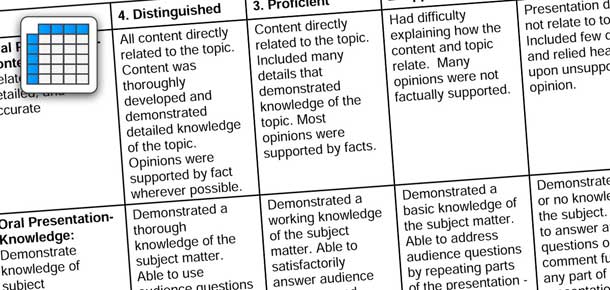
Rubric Maker
Create custom rubrics for your classroom.

Wixie
An online student publishing and creativity platform.


